Every instructor lugs two jobs. One is obvious: instruct the curriculum. The various other is quieter, usually heavier, and equally as vital: keep youngsters safe. Child protection training isn't an administrative hoop, it's the capability that aids team notification danger early, respond legitimately and ethically, and document problems in such a way that secures the kid and the specialist. Requirements shift year by year as legislations evolve, reporting limits tighten or make clear, and on the internet harms increase. If you operate in an institution, early childhood years solution, OSHC, sport, or tutoring, 2025 brings a couple of sensible updates worth comprehending prior to the next term begins.
What has transformed for 2025
The fundamentals stay: your task of care, your mandatory coverage obligations, and the demand to act on practical premises. What feels different in 2025 is the expectation that training covers digitally moderated injury with the same roughness as physical or face‑to‑face misuse. This includes brushing on messaging applications, coercive control that splashes into on the internet rooms, and the circulation of self‑generated pictures among youths. Many departments and regulatory authorities have added specific learning results tied to digital indicators and staff limits on social platforms.
The competency CHCPRT025 Identify and report youngsters and youths in jeopardy continues to secure a huge share of accredited programs. Companies have updated case studies and assessment jobs to consist of facility household legislation contexts, intersecting impairment and security demands, and multi‑agency reactions. A number of jurisdictions need a refresher course cycle of 12 to 24 months, and the Division of Education and learning child protection training in lots of regions now includes even more strenuous evaluation of paperwork skills rather than simply understanding checks.
If you completed a child protection program more than two years earlier, anticipate a more powerful focus on useful decision‑making. Programs now ask you to discriminate between what belongs in a case record, what sits in a wellbeing plan, and what need to be phoned with to legal solutions immediately. The void in between awareness and proficient action has actually tightened, which is good for children and comforting for staff.

The core expertise: CHCPRT025, clarified in ordinary terms
I have actually educated thousands of instructors via the CHCPRT025 program. The very best sessions are not around memorising acronyms, they have to do with developing judgement. CHCPRT025 Identify and report youngsters and youths in jeopardy needs you to show that you can recognise signs of misuse or neglect, reply to disclosures, follow your organisation's plans, and meet legal reporting obligations. It also needs you to preserve specialist borders and understand the social and contextual aspects that influence risk and safety.
In method, that implies you need to have the ability to do 3 things under pressure. Initially, notification refined patterns, like a kid that regularly shows up late, starving, and hypervigilant on Mondays, which could point to neglect or domestic violence over the weekend break. Second, navigate a disclosure without leading concerns or assures you can not maintain. Third, record fairly and make a record according to your state or area's requirements, even if your line supervisor is absent and the day is chaotic.
An excellent CHCPRT025 training course makes you practice this, not simply discuss it. I try to find programs that consist of scenario role‑plays, method note‑taking that obtains checked, and assessment that asks you to map neighborhood limits for coverage. On-line delivery can do this well if it integrates self‑paced concept with real-time analysis or a robust simulation. Several carriers now provide a CHCPRT025 online program with interactive branching circumstances, which is far more efficient than a passive slide deck.
Who requires training, and just how often
Mandatory child protection training isn't simply for teachers. In a lot of jurisdictions, any person who functions or volunteers in child‑related setups must finish child protection understanding training at induction and rejuvenate regularly. This consists of early youth teachers, learning support, laid-back relief instructors, OSHC personnel, trainee trainers, school counselors, and admin or facilities staff who have frequent youngster contact. If you monitor pre‑service educators, they should likewise recognize the reporting pathway relevant to the college, not simply their university.
Frequency differs by employer and regulatory authority. A typical pattern is a full training course every 3 years with annual refresher courses focused on brand-new dangers or plan updates. Division of Education and learning child protection training often consists of required yearly components, with supplementary workshops for duties like principals, pupil wellbeing leaders, and child safety and security policemans. If your setup operates under the National High Quality Framework, your service's plan will define refresher course intervals that align with threat. High‑turnover settings or programs with complex needs could train regularly because local understanding decomposes faster.
If you hold a child protection certification from 2022 or earlier, inspect whether your company requires the CHCPRT025 certificate specifically. Some have actually moved from older units to CHCPRT025 training to ensure that learning evidence suits present accreditation. Others accept equivalent training if it maps to the same results. Keep the exact title and completion day easily accessible; auditors and licensing officers request for exact details.
What high quality training looks like
Not all child protection programs are equal. The very best programs avoid 2 traps: helpful‑sounding however obscure recommendations, and lists that overlook the untidy facts of class and family members. Real knowing rests in between policy and method, and it sticks when the examples seem like the kids you really teach.
Here is what tends to separate strong child protection training courses from the forgettable ones:
- Clear administrative mapping. The training course names the relevant regulations, reporting limits, and call networks for your state or region, and it updates these promptly. If the instructor ducks inquiries concerning what number to call or what kind to complete, that's a red flag. Practice based evaluation. You get to practice a disclosure conversation, record realities without opinion, and finish a simulated record that receives comments. Expertise checks alone rarely transform behaviour. Coverage of electronic damage. The course demonstrates how grooming may look inside game chat, exactly how browbeating intensifies on exclusive messaging, and exactly how to take care of self‑generated sex-related imagery fairly and legally. Cultural security and addition. Support must relocate beyond slogans. It needs to address exactly how to recognise damage when cultural methods, impairment, or family court orders complicate the photo, and how to avoid prejudice while still acting decisively. Supervision and debrief. Efficient programs integrate in reflective method. Not every problem comes to be a report, and making a decision not to report takes as much treatment as choosing to report. Debrief models help staff remain grounded and consistent.
A note on distribution settings. Child protection online training can be excellent for reach and consistency, particularly for relief team or country teams. Combined alternatives that couple a CHCPRT025 online program with a real-time workshop or training phone call often accomplish the most effective transfer to practice. Completely in‑person sessions radiate for role‑play and group planning, though they can be harder to schedule for large services.
Reasonable grounds and the myth of certainty
New teachers usually wait on certainty that never ever shows up. The legislation doesn't ask you to verify damage beyond doubt. It asks you to act on practical premises. In daily job, affordable premises resemble a pattern of signs or a credible disclosure that makes you think a youngster goes to danger. It could be a swelling in an unusual location paired with an obscure description, chronic overlook indicators combined with caregiver material misuse, or a direct statement from the kid, even if they later on recant.
Reasonable grounds are not gossip, moral judgments, or stereotypes. They are concrete observations, days, flags from advancing records, and declarations in the youngster's very own words. If your work environment has a Child Safe Group or designated youngster security police officer, utilize them as a thinking partner, but do not let examination become avoidance. When limits are met, you report.
One functional idea that assists in the heat of the minute: write what you see and listen to, not what you think. As opposed to "parent showed up drunk," document "strong smell of alcohol on breath at 8:25 am, slurred speech, unstable walking, youngster holding moms and dad's forearm to stroll." As opposed to "child was terrified," create "kid flinched when I increased my hand to point at the whiteboard, then moved 2 seats away."

Handling disclosures without causing harm
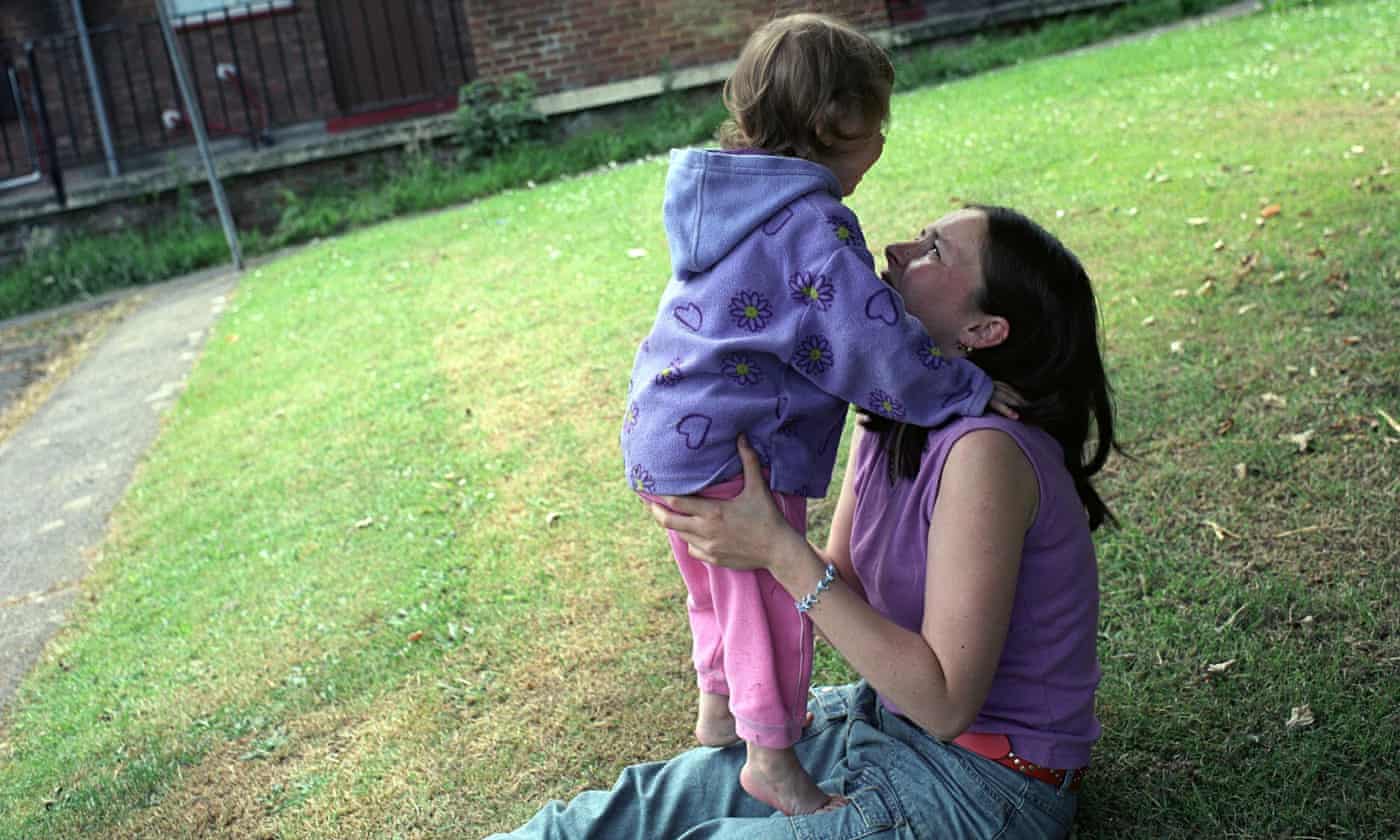
Disclosures frequently happen at troublesome times, due to the fact that kids pick moments that feel risk-free to them, not to your schedule. Among my associates got a disclosure at the class door throughout mid-day pick‑up, with other moms and dads in earshot. She got low on her knees so she went to eye level, used tranquil voice, and said, "I'm paying attention. We can step within to chat." She kept the assurance small and real. Later, her notes were so clear that statutory solutions can act the very same day.
There are a couple of principles that work across ages and settings. You do not promise secrecy. You recognize the youngster's guts. You avoid leading concerns that may contaminate evidence. You comfort them that it's not their mistake. You prioritise prompt safety if the claimed harm is urgent. And you record the specific words used by the kid. Your child protection training course must give you a script that really feels natural, and it needs to challenge you to adjust it to your style.
The hard component is managing your own response. Anger, shock, and protectiveness are regular, yet your function is to hold steady and make the system help the youngster. Experienced staff practice neutral language beforehand. A short, truthful line like, "You've done the best point informing me. I require to obtain help to maintain you safe," does extra excellent than any pep talk.
Documentation that stands under scrutiny
Good notes can be reviewed by individuals you will certainly never meet: caseworkers, investigatives, attorneys, interstate service navigators. Compose as if your document will certainly be checked out in court. That doesn't suggest chilly or medical, it indicates valid and complete.
Include days, times, precise quotes, observed injuries, and any type of activity you took. Keep viewpoint out, or tag it plainly as expert judgment with evidence attached. Keep your record secure under your organisation's plan. Don't save copies in individual email or on your phone. If you publish to a student management system, make certain the right personal privacy flags are established so only authorised personnel can access it.
The greatest avoidable mistake I see is hold-up. Staff wait until the end of the day and details blur. If the scenario enables, take down the youngster's specific words quickly after the conversation, then move them to the formal document. One more avoidable mistake is sharing information in informal channels. A fast debrief in the staffroom can accidentally breach confidentiality. Comply with the path laid out in your division of education and learning child protection training, and child protection certificate programs maintain casual babble to zero.
Working with households while fulfilling lawful duties
Not all issues call for an immediate record to legal solutions. Some sit in that room where early help and household collaboration can stop escalation. Your policy should spell out what belongs where. A missed lunch or late pick-up, by itself, welcomes a well-being conversation and functional support. A consistent pattern combined with other indications raises the problem to a reportable level.
Families should have regard, and several value honest, compassionate interaction. The art remains in picking the best moment and setup, and in not tipping off an affirmed wrongdoer in such a way that enhances danger. When an issue has been reported, you normally do not inform the family before authorities recommend. If you are uncertain, ask the coverage line throughout the phone call. When a matter does not fulfill the threshold for a record, be clear concerning what you observed, what the youngster stated, and what supports you can offer or refer to. Stay clear of blame. Concentrate on the youngster's needs and the school's responsibility of care.
In complex household regulation circumstances, validate that has adult responsibility and what orders exist prior to sharing information. Copies of orders must be gone on file and reviewed routinely. Errors below can position a youngster in danger or damage the school's credibility in future guarding actions.
The function of leaders and the society that keeps youngsters safe
Individual training helps, yet youngsters are protected by societies, not simply certifications. Principals, directors, and coordinators set the tone. They decide whether team really feel risk-free to elevate worries early, whether documentation systems work, and whether training is treated as a tick‑box or a professional discipline.
A fully grown society looks like this. Induction consists of a child protection awareness training component on day one, not week 6. Alleviation team obtain a quick‑access card or digital note with the coverage pathway and essential contacts. Team meetings consist of short protecting sectors that review real method, not simply policy. Leaders version exactly how to make tough phone calls and back team when records attract criticism. External companions, like child advocacy centres and youth services, are recognized by name, not just by logo.
Leaders also see workload. When a school experiences a cluster of high‑risk cases, personnel absorb trauma. Without structured debrief, top quality falls and fatigue rises. Build in guidance sessions where personnel can refine intricate situations with a person proficient. It makes the next record much better, and it maintains good people in the job.
Choosing the ideal program for your role
An instructor in a large senior high school, a teacher in a household day care, and a trainer in an after‑school program face various dangers, routines, and reporting lines. That implies your child protection training course should match your context. If you collaborate with under‑fives, search for a child protection course for childcare that covers nonverbal signs, injuries that might provide in a different way in toddlers, and collaboration with moms and dads that are physically present at pickup daily. If you work in second, insist on coverage of peer‑to‑peer injury, image‑based abuse, and the grey zone in between discipline concerns and safety and security concerns.
Accreditation matters. If your company needs the CHCPRT025 certificate, verify that the company examines against the device, not simply a common workshop. Ask exactly how the evaluation is conducted and what proof you will certainly receive. A proper child protection training certificate must detail the device code, the provider's RTO number if applicable, the day, and the result. For department of education and learning child protection training, see to it your completion publishes properly to the main HR or compliance system. A piece of paper in a desk cabinet helps no person throughout an audit.
Online, blended, or face to face
Each setting has trade‑offs. On-line modules reach huge groups and permit versatile timing, which helps when you require to onboard mid‑term hires. They are strong for legislation updates and standard indicators. Their weak point is depth of practice unless the design is interactive. A CHCPRT025 online course with situation branching, voice recordings, and examined documentation can conquer that gap.
Face to‑face workshops build group cohesion and let you exercise disclosures securely. They are optimal for services that want to go through actual, local issues, like how to handle the institution entrance when a parent subject to an order tries pickup. Their weak point is logistical: getting every person in the very same space, covering alleviation costs, and duplicating sessions for brand-new staff.
Blended strategies try to obtain the most effective of both. Pre‑work covers legislation and policy, then the online session focuses on role‑plays, note‑writing, and preparing for neighborhood risks. In my experience, this framework enhances retention and self-confidence, and it shortens time away from classrooms.
The digital frontier: what 2025 expects you to know
Ten years earlier, child protection training hardly responded to on-line damage. That's transformed. In 2025, you are anticipated to understand just how abuse and brushing move across platforms, exactly how to detect behavior modifications that point to coercion online, and just how school gadgets and learning systems can give signals.
Watch for new patterns. A formerly involved student that starts utilizing personal privacy devices obsessively might not be a budding cybersecurity specialist; they may be concealing interaction with a risky grownup. Students that suddenly invest breaks in bathrooms with phones could be replying to consistent messaging. A young adult that ends up being incredibly troubled when asked to hand over a gadget could be dealing with risks. These are not evidence. They are signs to look more detailed, inspect electronic citizenship records, enroll in chcprt025 online course and consult your child security lead.
Your policy must define limits between staff and trainees online. This consists of direct messaging, follows on social platforms, and using individual accounts for school interaction. Also when objectives are excellent, obscured boundaries boost risk for every person. Your child protection course should spell out intense lines that maintain both trainees and personnel safe.
Intersection with various other frameworks: Youngster Safe Standards and wellbeing
Many territories now run under Youngster Safe Requirements that set the more comprehensive society. Child protection training links into those requirements by gearing up personnel to act on the frontline. The standards stress child voice, equity, and continuous enhancement. Virtually, this implies building straightforward, noticeable ways for children to seek help, training staff to react, and auditing practice, not simply policy.
Safeguarding additionally converges with mental health and health and wellbeing programs. A pupil's anxiousness or tough behaviour might be a reaction to injury or recurring damage. Personnel educated just in practices monitoring might miss the underlying cause. The very best groups coordinate, so trainee support, child security policemans, and class instructors share the best details within personal privacy legislations and act together. A clear procedure avoids information silos that slow down help.
When the system feels slow
You will often make a report and hear little back. Statutory systems triage cases based upon threat and capability, and bench for activity can feel high. Do not take silence as a signal you were incorrect to report. Record the report, keep track of the child, and intensify if new info arises. Maintain your leader in the loop. Where appropriate, engage universal solutions like school nurses, therapists, and regional household support to strengthen safety and security. Child protection is a system of lots of parts, not a single phone call.
If you believe a youngster remains in immediate danger, phone call emergency situation solutions. That action rests outside the routine coverage paths, and it is appropriate when a youngster's safety and security goes to risk now, not tomorrow.
Quick reference: the fundamentals teachers should have the ability to do after training
- Recognise indicators of misuse and overlook, consisting of online pet grooming and peer harm, and act on sensible premises without waiting on certainty. Respond to disclosures with tranquility, non‑leading language, avoid guarantees of secrecy, and prioritise immediate safety and security when needed. Document factually with dates, direct quotes, observed indications, and actions taken, and store records according to policy. Follow regional reporting pathways and thresholds, call the proper authority, and escalate or get in touch with without delay. Maintain expert limits on the internet and face to face, and utilize supervision and debrief to suffer judgment under pressure.
Making training stick across the year
The greatest distinction between a certification on paper and true capacity is practice. Build a schedule where child protection subjects appear in little, regular dosages. Short refresher courses on note‑taking, fast reviews of a case study at a team meeting, and five‑minute check‑ins on digital threat prior to exam durations maintain skills to life. For new or informal personnel, produce a one‑page path card that details who to call, where to tape-record, and just how to accessibility policies. Keep it upgraded when contacts or systems change.
I've seen schools reduced reporting time from hours to mins by presenting an easy triage protocol: teacher informs the youngster safety lead, lead checks limit with a fast consult, report is made, paperwork submitted, and the trainee is supported the same day. None of this eliminates your obligation as a necessary reporter. It provides you a well‑lit path when a kid informs you something hefty and time begins to relocate fast.
Final thoughts for 2025
The stakes are not abstract. A child that feels thought and protected at the best moment can keep attending school, maintain their relationships intact, and keep their count on grownups. The skills that make this possible can be found out, practiced, and rejuvenated. If you have not updated your child protection training because the last overhaul of your plan, book time this term. If you hold responsibility for a group, review whether your mix of child protection courses covers CHCPRT025 where needed, reaches all personnel, and consists of the practice parts that alter behaviour.
Certificates matter due to the fact that they signify compliance. Skills matters since it keeps children secure. Aim for both.